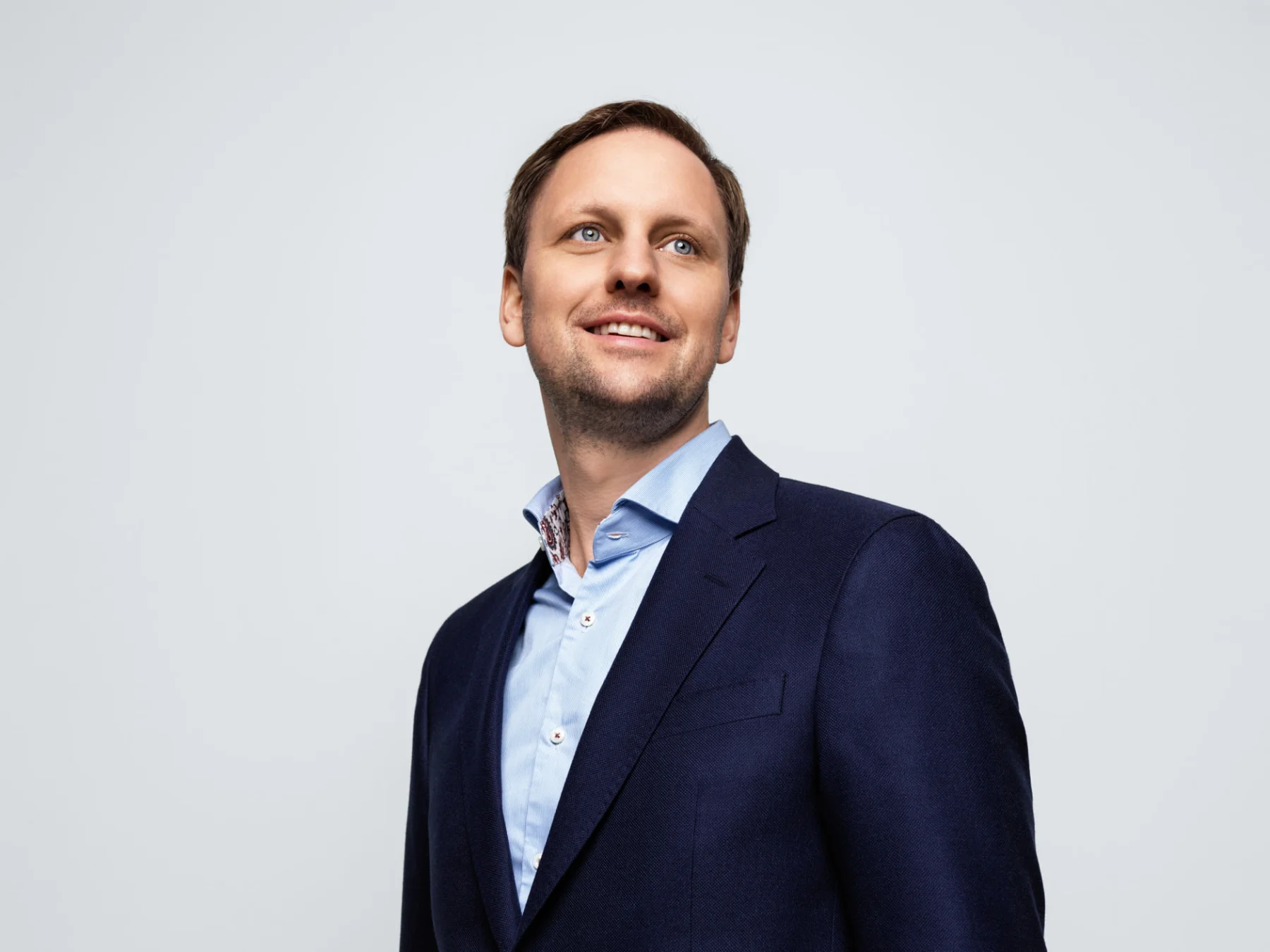
In 2017, German physicist Jan Goetz was considering research opportunities in Barcelona and the United States when a former colleague told him about a Postdoc opening at Aalto University in Finland.
He had no plans to become an entrepreneur. His ambition was to become a professor, and Finland wasn't the most obvious destination for pursuing an international academic career. Yet the opportunity at Aalto would eventually lead him to co-found IQM, a quantum computing company that grew from a Finnish research laboratory into a global business.
A different kind of research opportunity
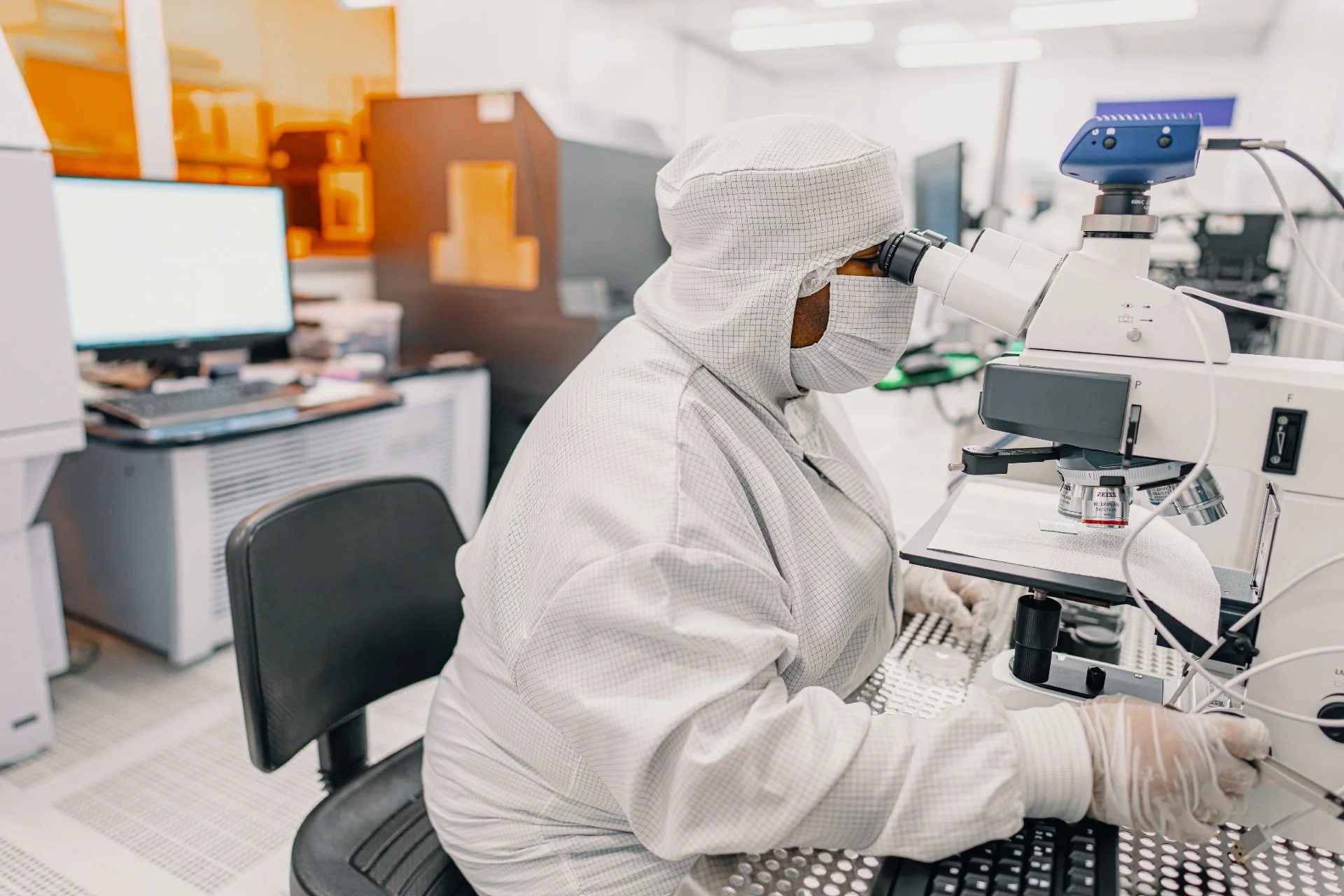
Goetz grew up in Neuss, Germany, and studied physics at the Technical University of Munich, where he completed doctoral research on superconducting quantum circuits at the Walther-Meissner-Institute for low-temperature physics.
When he was contacted by Professor Mikko Möttönen at Aalto University, he discovered an opportunity that went beyond a conventional postdoctoral position. Möttönen wanted someone who could help develop his research laboratory, recruit doctoral researchers and take responsibility for scientific projects.
The trust and responsibility appealed to Goetz. Despite questions from others about choosing Finland over more established research destinations, he felt the team and research environment were right for him.
He joined Möttönen's group in 2017, expecting the experience to be another step towards an academic career leading ultimately to a professor title. But as his postdoctoral appointment approached its end, Möttönen suggested something different: why not stay in Finland and start a company together?
The decision also meant extending a long-distance relationship with his partner in Munich. Goetz called to ask what she thought about him spending a few more years in Finland. She agreed.
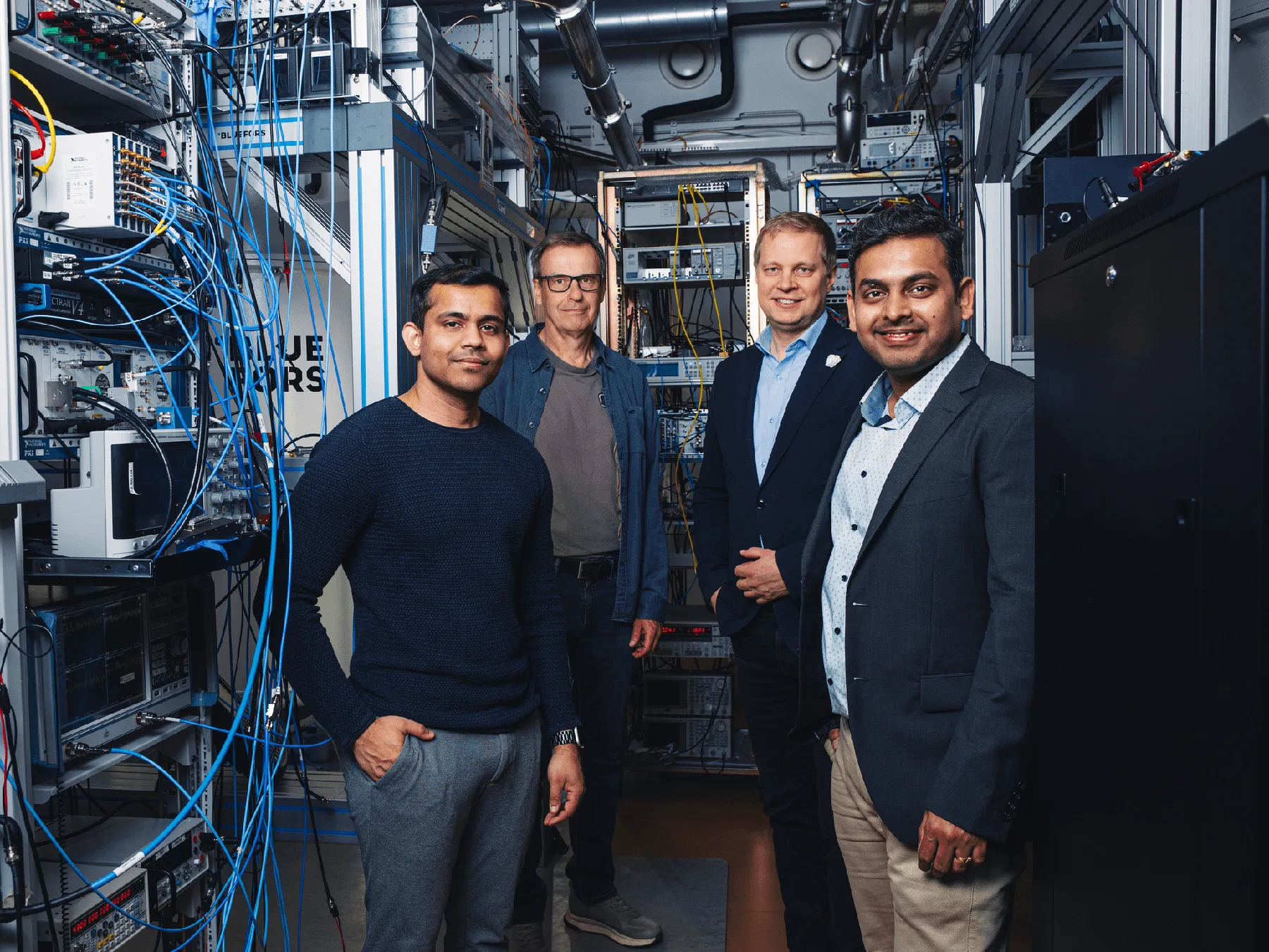
In 2018, Goetz and Möttönen founded IQM together with Kuan Yen Tan and Juha Vartiainen with the goal to build a globally leading quantum computing firm from Europe.
Turning research into a business
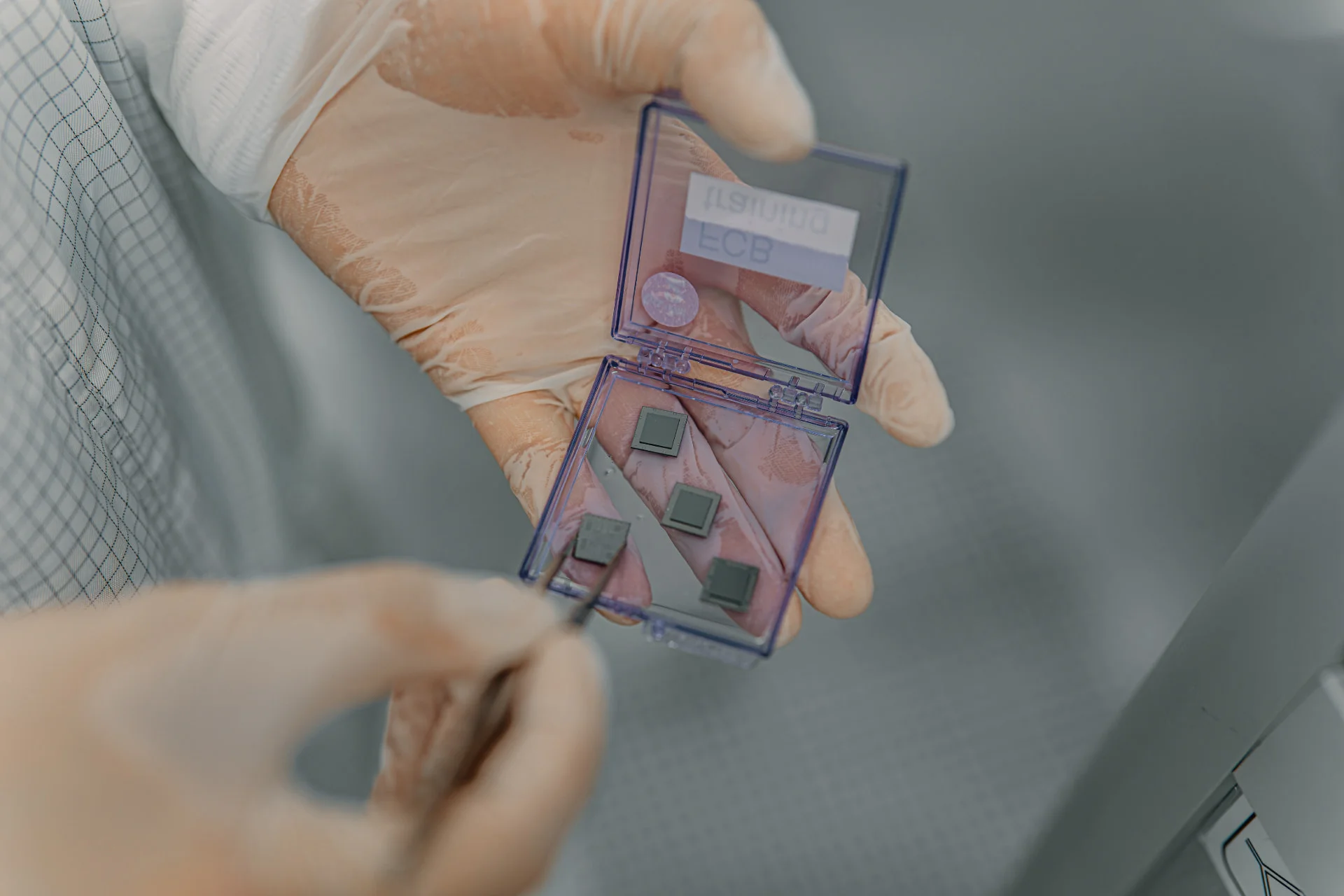
IQM emerged from years of research at Aalto University and VTT Technical Research Centre of Finland. Möttönen and Vartiainen had been working on quantum technologies long before Goetz arrived, while Tan brought expertise in quantum devices and circuits from Microsoft and Australia.
The four founders combined their scientific backgrounds with complementary responsibilities. Goetz became CEO, Tan took charge of technology, Vartiainen led operations, and Möttönen continued his academic research while guiding the scientific direction of the company.
But turning laboratory breakthroughs into commercial products required more than scientific expertise. The founders needed engineers, equipment and substantial financing to develop complete quantum computing systems.
Finding investors willing to back such an ambitious project was not straightforward. The four Founders spent around a year securing a lead investor before IQM raised an €11.5 million seed round in 2019, the largest raised by a Finnish startup at the time.
The investment brought together Finnish and international investors, including Maki.vc, Tesi and OpenOcean, and allowed the company to accelerate development and recruit its first employees.
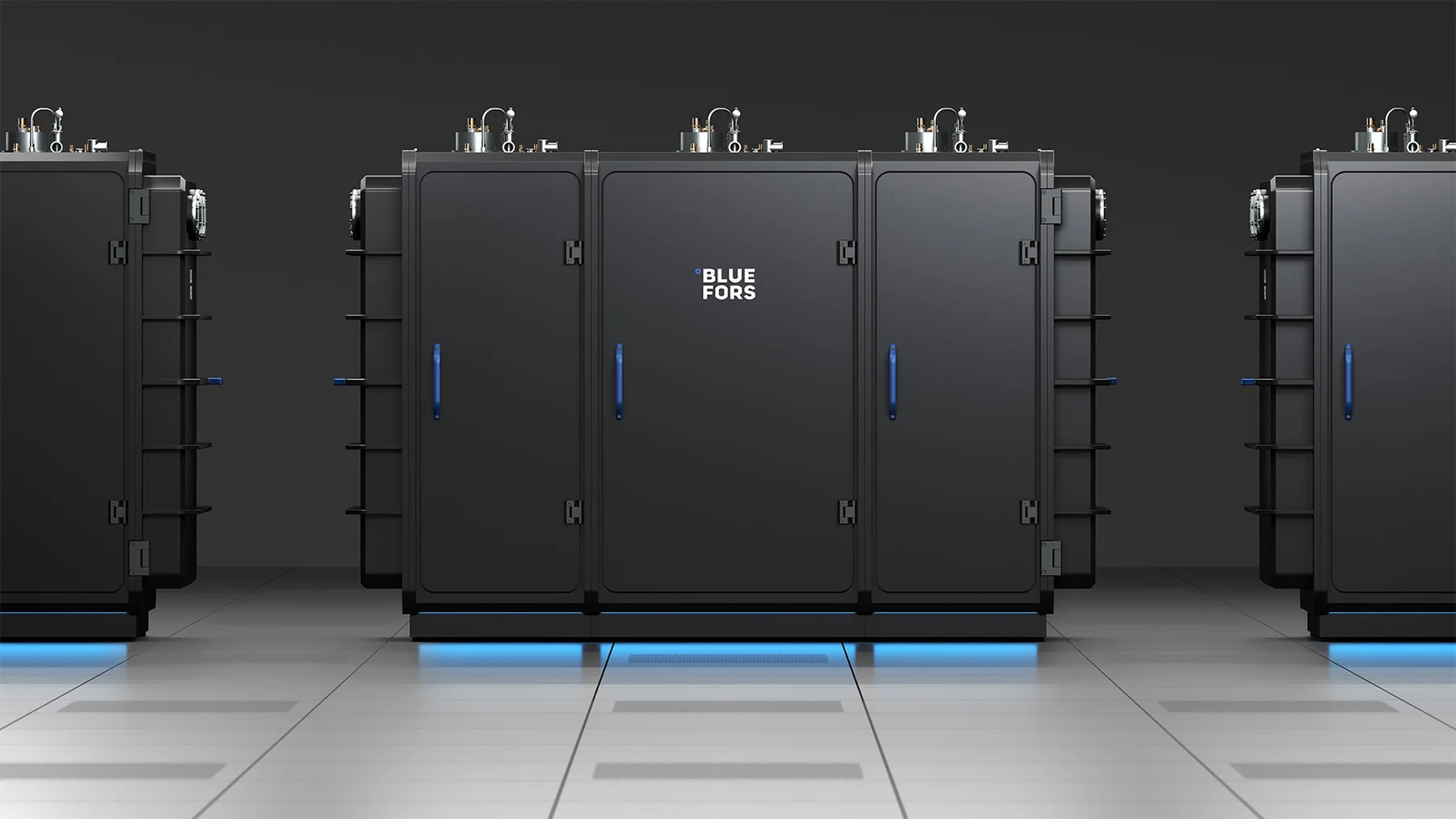
Finland provided an important foundation for that growth. Aalto and VTT offered specialized research expertise and infrastructure, while the surrounding quantum ecosystem included companies such as Bluefors, whose cryogenic technology is essential for operating superconducting quantum computers.This early ecosystem was essential for IQM´s success and has meanwhile grown to one of the most active quantum ecosystems globally with many new startups, institutional investors, and industrial end-users.
The founders could attract investors and institutions willing to support technologies that were still far from widespread commercial adoption. Maki.vc helped with recruitment, commercial development and connections to decision-makers, OpenOcean supported with software strategy and founder mentoring, Tesi continued investing as IQM grew, and Business Finland supported its early research and innovation activities. This continuous commitment could attract institutional investors like leading pension funds Varma, Elo, and Ilmarinen as well as strong family offices.
But the real success came from hiring an international team of quantum experts, industry leaders, and operators. IQM has assembled one of the largest and strongest quantum teams globally. Many of IQM´s employees relocated to Finland. Goetz has emphasized the importance of the people and entrepreneurial culture behind this environment:
"Finland is a real startup nation, full of technology, startups, and most importantly great people. The strong ecosystem and founder mentality helps building tech startups out of Finland."
Finding a market for quantum computers
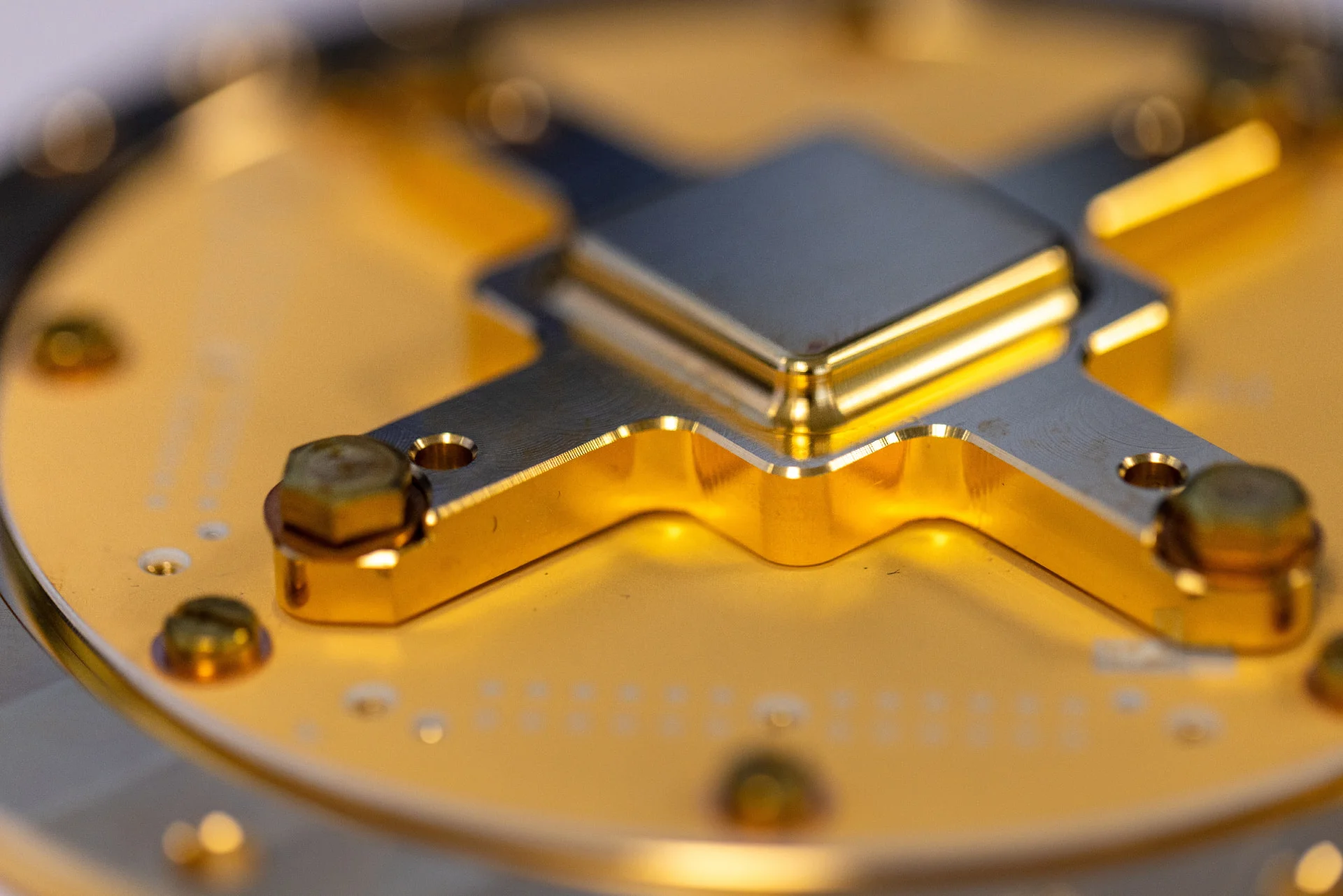
Even with the technology, talent and financing in place, IQM faced a fundamental challenge: who would buy a quantum computer before the technology was ready for widespread commercial use?
The founders initially considered supplying quantum chips to other companies. But there were few customers capable of integrating those components into complete systems, prompting IQM to change direction and build full-stack quantum computers itself.
Rather than waiting for a mature commercial market to emerge, the company focused on governments and research institutions willing to invest in developing the technology.
Finland became its first major customer.
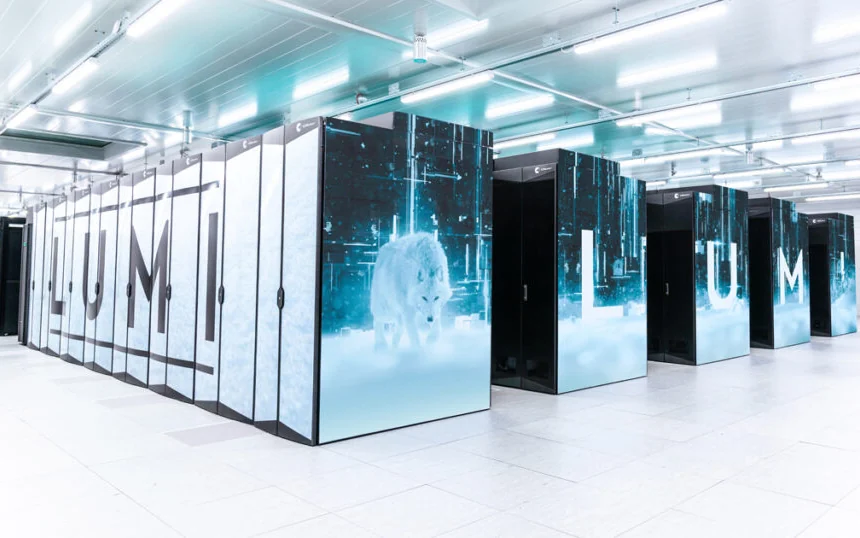
In 2020, VTT selected IQM to build Finland's first quantum computer as part of a government-funded programme. Beyond providing revenue, the agreement gave the young company a reference customer and an opportunity to demonstrate its technology outside the research laboratory.
The partnership grew alongside IQM's capabilities. The first five-qubit machine became operational in 2021, followed by increasingly powerful 20- and 50-qubit systems. VTT subsequently selected IQM to supply even more advanced 150- and 300-qubit quantum computers.
For IQM, these early public-sector projects helped establish credibility in an emerging industry and opened doors to customers abroad. These early deals in Finland were the seeds for future success: IQM has sold quantum computers on four continents, has sold more quantum computers as on-premises devices than any other quantum company, and established a strong quantum cloud operation.
Building globally from Espoo
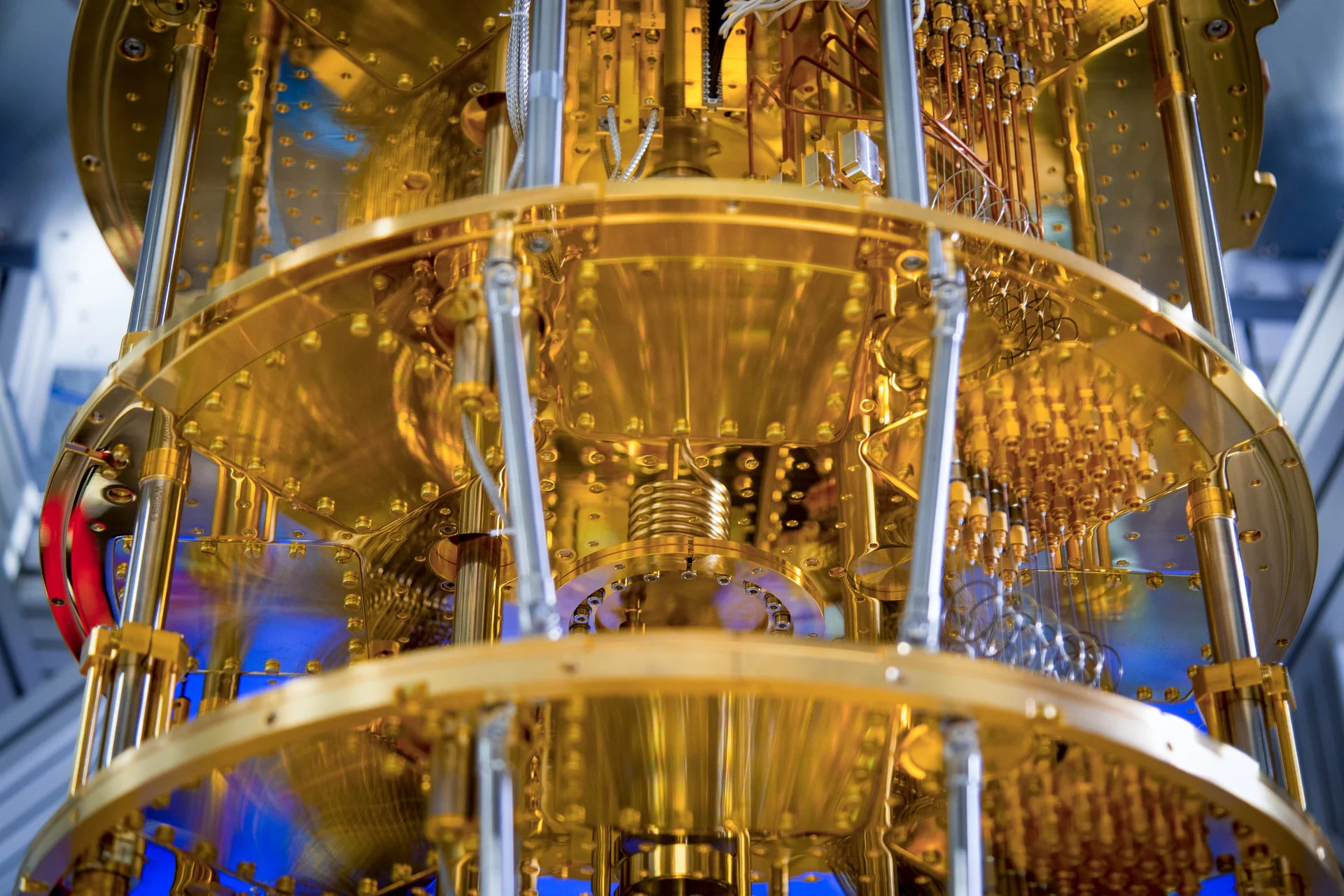
As international demand grew, Finland remained central to IQM's research, development and manufacturing.
The company opened its quantum chip fabrication facility in Espoo in 2021 and expanded its manufacturing capabilities to support the production of complete quantum computing systems.
From this base, IQM grew its international customer network, supplying quantum computers to research institutions, universities and supercomputing centres across Europe, Asia and North America.
By mid-2026, it had sold 31 quantum computers with more than 450 employees representing over 50 nationalities, most of them based in Finland. Later that year, IQM took another step in its international expansion by becoming the first European quantum computing company to list on a major US stock exchange, with trading on Nasdaq Helsinki beginning the following day.